
Exploring the psychology behind casino design
The Impact of Color on Emotional Response
Color psychology plays a significant role in casino design, influencing emotions and behaviors of patrons in subtle yet profound ways. Designers often use warm colors like reds, oranges, and yellows to create an ambiance that stimulates excitement and energy. Red, in particular, is known for its ability to increase heart rates, which can encourage a sense of urgency and enthusiasm among players looking for the best deals such as $10 neosurf casino australia to maximize their enjoyment. By incorporating these vibrant hues, casinos aim to enhance the overall gaming experience, making visitors more prone to spend time and money within the establishment.
Conversely, cooler colors such as blues and greens are sometimes utilized in relaxation areas, where players can unwind and take a break from the intense gaming atmosphere. These colors can promote calmness and tranquility, providing patrons with a psychological balance between the high-energy gaming zones and the need for rest. Effectively balancing these color schemes throughout the casino can enhance player retention and encourage longer visits.
Effective use of color in casino design also extends to signage and branding. Clear, vivid colors can serve to grab attention and guide players throughout the establishment, ensuring they are informed of promotions, events, and dining options. This strategic application of color not only aids in navigation but also reinforces the casino’s identity, creating a cohesive and memorable experience that resonates with visitors long after they leave.
The Role of Lighting in Creating Atmosphere
Lighting design is another crucial element that contributes to the psychological impact of a casino’s environment. Casinos often utilize layered lighting techniques that combine ambient, accent, and task lighting to create an inviting space. Ambient lighting provides general illumination, while accent lighting focuses on specific areas or features, drawing patrons’ attention to high-stakes tables or popular slot machines. This strategic use of light not only highlights key gaming areas but also establishes an enticing atmosphere that can heighten excitement and engagement.
The manipulation of light intensity and color temperature can also influence players’ perceptions of time. Bright, vivid lights can create an illusion of daytime, which can easily cause guests to lose track of time and extend their stay. By ensuring the environment feels dynamic and alive, casinos can encourage patrons to engage more deeply with their gaming options, often leading to increased spending and longer play sessions.
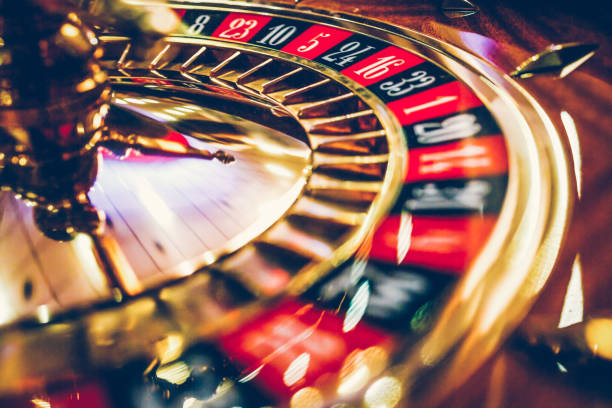
Moreover, the interplay between light and design elements can evoke specific emotions. For instance, softer, warmer lights can create a sense of intimacy and comfort, which may encourage social interactions among players. Casinos often design their spaces to foster camaraderie and competition, and thoughtful lighting can enhance these social dynamics, ultimately driving player engagement and satisfaction.
The Significance of Layout and Space Design
The layout of a casino is meticulously crafted to maximize flow and encourage exploration. Designers often implement open spaces to create a sense of freedom and movement, allowing patrons to navigate effortlessly between different gaming areas. This spatial design encourages players to venture deeper into the casino, while strategically placing high-revenue games in prominent positions to draw attention. By guiding the flow of foot traffic, casinos can enhance exposure to various gaming options and increase the likelihood of spontaneous play.
Another critical aspect of layout is the arrangement of gaming machines and tables. By clustering machines of similar types together, casinos can create an immersive experience that keeps players engaged. Additionally, elements such as sightlines and visibility are taken into account, as designers aim to create a sense of comfort and safety for players. A clear view of the entire gaming area can foster a sense of community while allowing patrons to engage with others, ultimately encouraging a longer stay in the casino.
Furthermore, the placement of amenities, such as bars, restaurants, and lounges, is also a deliberate consideration in the design process. By incorporating these spaces throughout the casino, visitors are encouraged to take breaks, socialize, and refresh, effectively rejuvenating their gaming experience. The seamless integration of recreational areas ensures that players remain engaged without feeling overwhelmed, which is essential for promoting longer visits and increased revenue for the establishment.
The Influence of Sound in Enhancing Experience
Sound design is a quintessential element of casino ambiance, playing a significant role in enhancing the gaming experience. Casinos often employ a mix of carefully curated background music and the sounds of winning machines to create an atmosphere that evokes excitement and positivity. Research has indicated that certain types of music can influence players’ emotions and decision-making processes, encouraging them to spend more time at the tables or machines. By strategically selecting soundtracks that resonate with their target audience, casinos can effectively elevate the overall gaming experience.
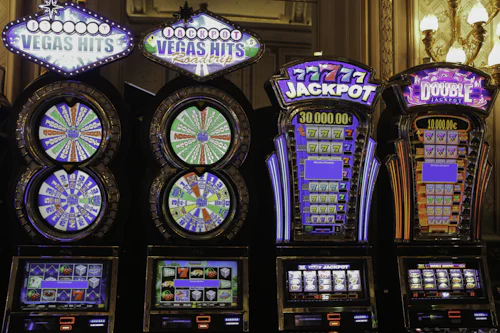
Moreover, the sounds of coins clinking or bells ringing from slot machines are deployed intentionally to amplify excitement and reward feelings among players. These auditory cues act as psychological reinforcements, encouraging patrons to continue playing in hopes of achieving similar results. The use of sound is crucial in creating an immersive environment that captivates players and contributes to their desire to remain engaged with the games.
Sonochromatic design, or the use of sound in spatial arrangements, is becoming increasingly popular in modern casinos. By tailoring the acoustic environment to specific areas, designers can create distinct atmospheres within the casino. For instance, high-energy gaming areas may have louder, more upbeat sounds, while quieter zones utilize soft, calming music. This thoughtful approach to sound design helps maintain varying levels of excitement and relaxation, appealing to the diverse preferences of all casino patrons.
How Website Design Complements Casino Experience
In today’s digital age, an effective website is a vital component of a casino’s overall strategy, extending the immersive experience beyond the physical space. A well-designed website can capture the essence of the casino’s aesthetic and ambiance, providing visitors with a virtual taste of what they can expect upon arrival. Engaging visuals, user-friendly navigation, and intuitive layouts are essential in translating the physical experience to an online platform, helping to attract and retain potential customers.
The website serves as a crucial communication tool, offering essential information about gaming options, promotions, and upcoming events. A well-organized website can cater to the needs and preferences of various users, including those looking for high-stakes games or casual entertainment. Through the use of compelling imagery and detailed descriptions, casinos can entice prospective patrons, encouraging them to visit and explore the physical location.
Moreover, online platforms enable casinos to extend their brand presence beyond the brick-and-mortar environment. By integrating promotional campaigns, loyalty programs, and community engagement through social media, casinos can foster a sense of connection with their audience. This holistic approach ensures a seamless transition between online and physical experiences, further solidifying the casino’s role as a premier entertainment destination.